Keeping Your Dubbo Business Warm This Winter: A Guide To Commercial Heating
Dubbo winters are serious. Temperatures regularly drop below freezing overnight in June and July, and daytime highs can stay in the single digits during cold snaps. For business owners managing a commercial premises — whether that is a retail shop, an office, a medical practice, a hospitality venue or a warehouse — keeping the space warm enough for staff and customers to function comfortably is not optional. The question is how to do it efficiently, without running up heating costs that eat into margins through the cooler months.
Commercial heating Dubbo businesses need to get right is often more complex than a residential setup — larger floor areas, variable occupancy, and the need for energy efficient heating solutions that perform through both winter cold snaps and summer heat. This guide covers the main options available, why reverse cycle air conditioning Dubbo conditions favour as the most versatile choice, and the practical steps that make the biggest difference to running costs.
Commercial Heating Options for Dubbo Premises
Before landing on a heating solution, it helps to understand the landscape. There are several ways to heat a commercial space, and they vary significantly in upfront cost, running cost, installation complexity and how well they suit different premises types.
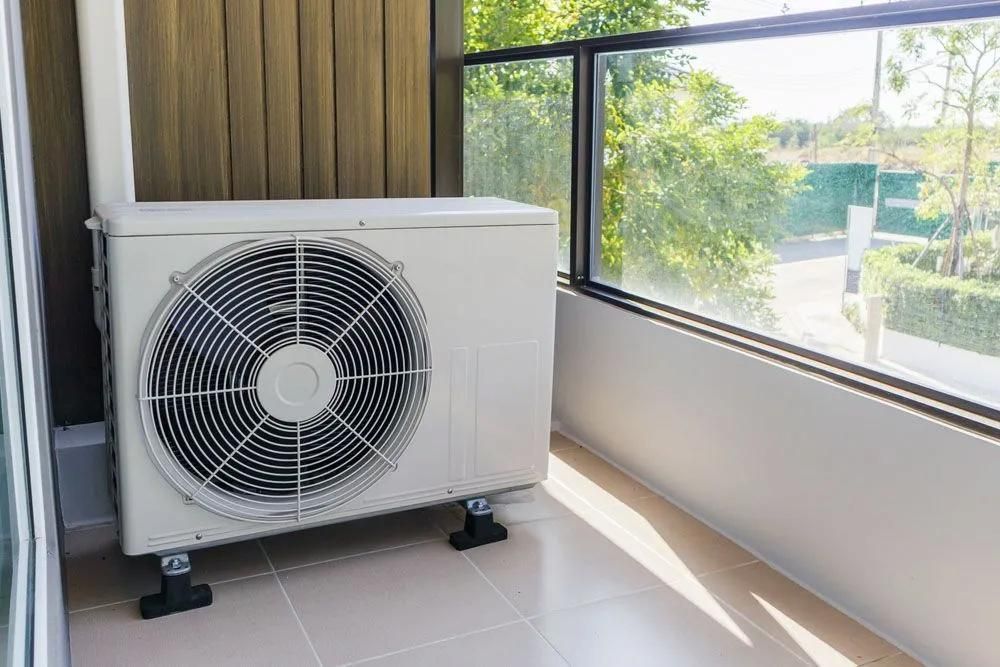
- Reverse-cycle air conditioning uses refrigerant technology to move heat from outside air into the building. Because it moves heat rather than generates it, a reverse-cycle system produces more heating output per unit of electricity consumed than any resistance-based heater. In Dubbo's climate — cold winters, hot summers — reverse-cycle systems also provide cooling through summer, making them a genuinely year-round investment rather than a single-season expense.
- Ducted heating Dubbo premises often use for larger floor areas distributes warm air through a network of ducts and vents. Gas ducted systems are a common choice in commercial premises with existing gas connections. The advantage is even distribution of heat across a large floor area. The trade-off is that the system heats the whole building by default, which can be inefficient if only certain zones are occupied at any given time.
- Zoned systems address this by dividing the premises into independently controlled areas. A zoned reverse-cycle or ducted system allows a business to heat only the occupied zones — front-of-house while the kitchen is closed, or a meeting room suite while the main office is empty — which reduces running costs significantly in premises where not all areas are in use at the same times.
- Portable and supplementary heaters
have a role in targeted situations — warming a specific workstation or a small reception area temporarily — but they are not a cost-effective primary heating solution for most commercial premises. Their running costs per kilowatt of output are high compared to permanent installations. For businesses searching for air conditioning near me with genuine commercial HVAC experience in the Central West, the choice of installer matters as much as the choice of system.
Why Reverse-Cycle Leads the Field for Commercial Premises
For most Dubbo commercial premises, commercial air conditioning Dubbo businesses choose most often is reverse-cycle — and it comes down to a few practical reasons.
- Energy efficiency is the headline advantage. A modern reverse-cycle system with a high energy star rating can deliver three or more units of heating energy for every unit of electricity it consumes. This efficiency coefficient — measured as COP, or Coefficient of Performance — is simply not achievable with electric resistance heaters or older heating technologies. Heating is often the biggest winter running cost — our guide on how to improve your air conditioner's energy efficiency covers where the savings are in more detail.
- Year-round utility means the capital investment in a well-designed reverse-cycle system is not sitting idle for six months of the year. A system that heats in winter and cools in summer provides year-round value, and in Dubbo's climate that means the system is earning its keep for most of the calendar year.
- No fuel supply dependency removes the infrastructure and cost variability of gas. A reverse-cycle system runs on electricity, which is universally available, and its running cost tracks electricity tariffs rather than gas prices. For businesses that do not already have a gas connection, the cost of installing one for a dedicated heating system often tips the comparison firmly toward electric reverse-cycle.
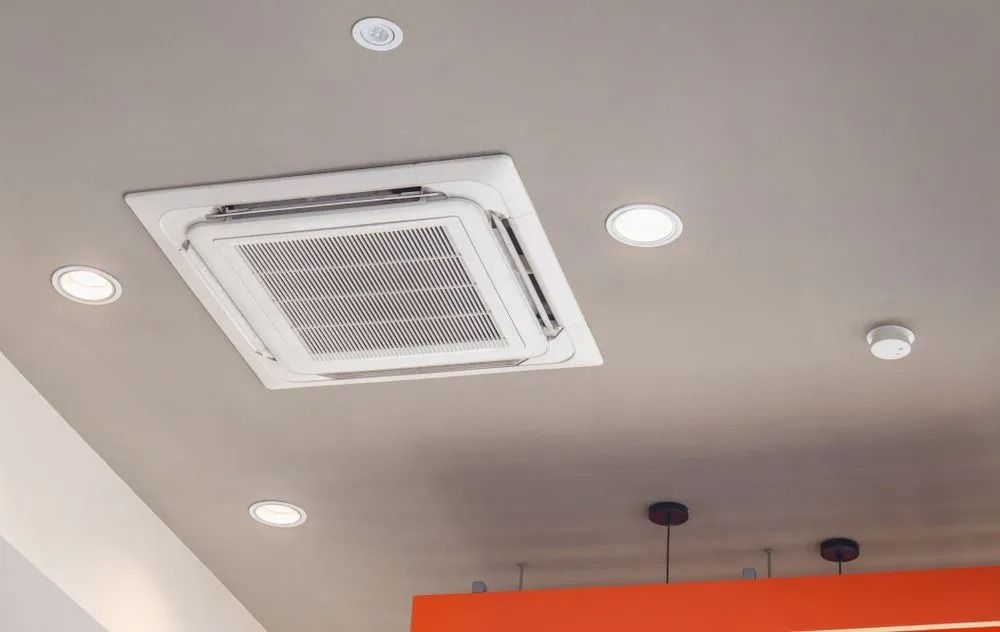
- Flexibility in configuration is another practical advantage. Commercial reverse-cycle systems can be configured as single-split units for smaller premises, multi-head systems for buildings with multiple distinct zones, or ducted systems for larger floor areas — all with centralised control and zoning capability.
Sizing: Why Getting It Right Matters
An incorrectly sized heating system is one of the most common sources of commercial heating inefficiency, and it works in both directions. An undersized system runs continuously without reaching target temperature, consuming energy without achieving comfort. An oversized system short-cycles — turning on and off frequently without completing a proper heating cycle — which reduces efficiency, increases component wear and can result in uneven temperature distribution across the space. Correct sizing for a commercial premises takes into account the floor area, ceiling height, insulation level, glazing area and orientation, occupancy load and the specific use of the space. A well-insulated office with double-glazed windows in a south-facing orientation has very different heating requirements to a high-ceiling retail space with large north-facing shopfront glass.
Getting sizing right requires an on-site assessment by an experienced HVAC technician — not a per-square-metre rule of thumb. The difference between a correctly sized and incorrectly sized system can be measurable on the energy bill from the first winter of operation.
Smart Controls and Zoning for Commercial Heating
The operational side of running a heating system efficiently in a commercial premises is where smart controls and zoning earn their keep.
- Zoning allows the premises to be divided into independently controlled areas, each with its own temperature set point and operating schedule. For a business with variable occupancy across the floor plan — different areas in use at different times — zoning can deliver meaningful reductions in heating energy by not conditioning unoccupied spaces.
- Scheduling ensures the system brings the premises to temperature before staff arrive and scales back after close, without relying on manual control by staff. A system that runs at reduced output overnight in a cold snap to protect sensitive equipment or maintain a minimum temperature is consuming far less energy than one left running at full comfort settings.
- Remote monitoring and control allows facility managers or business owners to check and adjust system operation from their phone — particularly useful for businesses where the heating schedule changes, such as hospitality venues with irregular trading patterns or businesses that periodically operate after hours.
Regular Servicing Keeps Costs Down
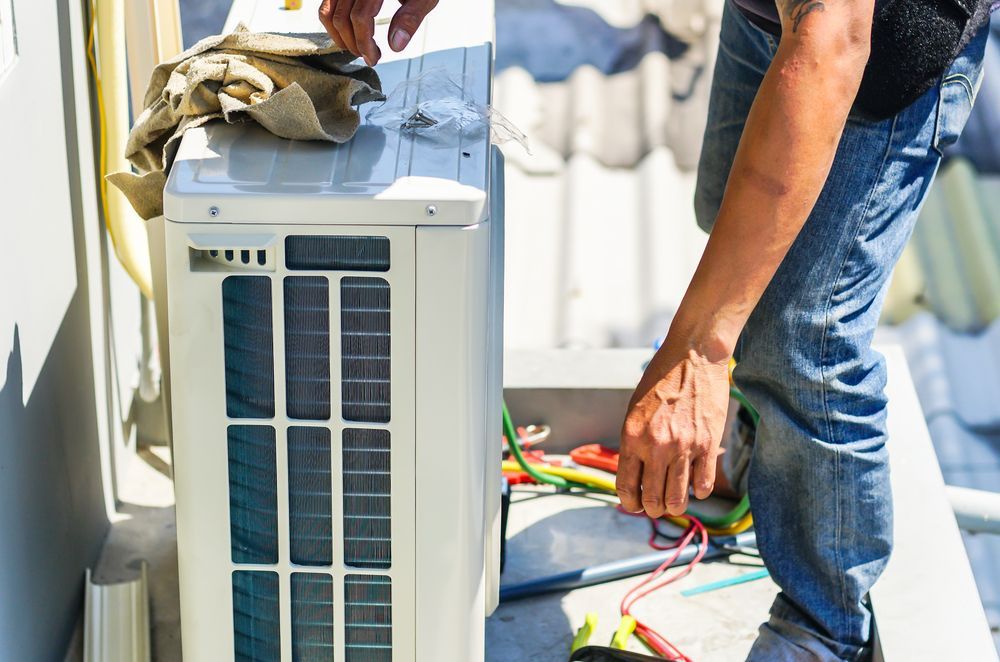
Commercial heating systems that are not regularly serviced gradually lose efficiency without any obvious indicator that something is wrong. Filters accumulate dust and restrict airflow. Refrigerant levels can drift. Coils accumulate debris that reduces heat transfer. Each of these issues individually has a modest effect on efficiency, but combined and left unchecked, they can add meaningfully to running costs over a season. For commercial premises, a scheduled annual or bi-annual service with a qualified HVAC technician keeps the system operating at its rated efficiency, identifies any developing issues before they become breakdowns, and supports the warranty on the equipment.
The timing of servicing matters too. A service scheduled before winter — rather than in response to a breakdown during the coldest week of the year — means the system is at its best when it is working hardest.
Choosing the Right Partner for Commercial Heating in Dubbo
The difference between a commercial heating installation that performs well for years and one that causes ongoing headaches often comes down to the quality of the initial design and installation, and the relationship with the service provider after the job is done. A commercial HVAC provider with genuine experience in Dubbo's climate understands how the Central West's temperature range — from winter lows below zero to summer highs above 40°C — affects equipment selection, sizing and configuration. That local knowledge is relevant at every stage, from system selection through to servicing schedules.
For air conditioning in Dubbo businesses can rely on through every season, Williams Oriel Services has been providing commercial HVAC solutions across the Central West since 2007. Our licensed HVAC-R electricians carry out on-site assessments, system design, installation and ongoing maintenance for commercial clients across Dubbo and the broader region. Whether you are addressing an underperforming existing system or planning a new installation ahead of winter, call us on 1300 967 967 or visit our website to arrange a consultation.