The Commercial Air Conditioning Installation Process: A Step-By-Step Guide For Dubbo Businesses
Installing a commercial air conditioning system isn't a single job — it's a project, with distinct stages, lead times, and compliance requirements most business owners have never had to navigate before. If you're planning a commercial air conditioning installation in Dubbo for the first time, knowing what actually happens between your first enquiry and switching the system on can make the whole process far less daunting.
Step 1: Site Assessment and Load Calculations
Every commercial installation starts with a proper site visit, not a guess based on floor area alone. A technician assesses your building's size, layout, insulation, occupancy levels, equipment heat loads and window orientation to calculate the actual cooling and heating capacity your space needs.
This step matters more than most business owners expect. An undersized system will struggle to keep up on Dubbo's hottest days, running constantly and wearing out faster, while an oversized system cycles inefficiently and costs more upfront than necessary. Getting the load calculation right at this stage is what everything else in the project is built on.
Step 2: System Selection and Sign-Off
Once your building's requirements are understood, the next step is choosing the right system type — ducted, split system, VRV/VRF, or a combination, depending on your space and how it's used. This is also where decisions get made around energy efficiency ratings, zoning, and any smart automation or control features you might want.
Before installation begins, system selection is key — our guide to choosing the right HVAC system for your business walks through the options in detail. Once a system is agreed on, you'll sign off on the specific equipment, capacity and configuration before ordering proceeds.
Step 3: Lead Times and Equipment Ordering
This is the stage that catches a lot of businesses off guard: commercial HVAC equipment isn't sitting on a shelf ready to go. Depending on the system type, capacity and any custom specifications, lead times for ordering and delivering commercial equipment can run from several weeks to a few months, particularly for larger or more specialised systems.
Factoring this lead time into your overall project timeline early is one of the most important planning steps — if your business has a hard deadline (a fit-out completion date, a lease start, a busy trading season), equipment ordering needs to begin well ahead of it, not once installation work is otherwise ready to start.
Step 4: Installation Stages
With equipment on-site, the physical installation typically progresses through several distinct stages:
- Preparation and access work — setting up safe access to install locations, including rooftop, ceiling space or external wall mounting points.
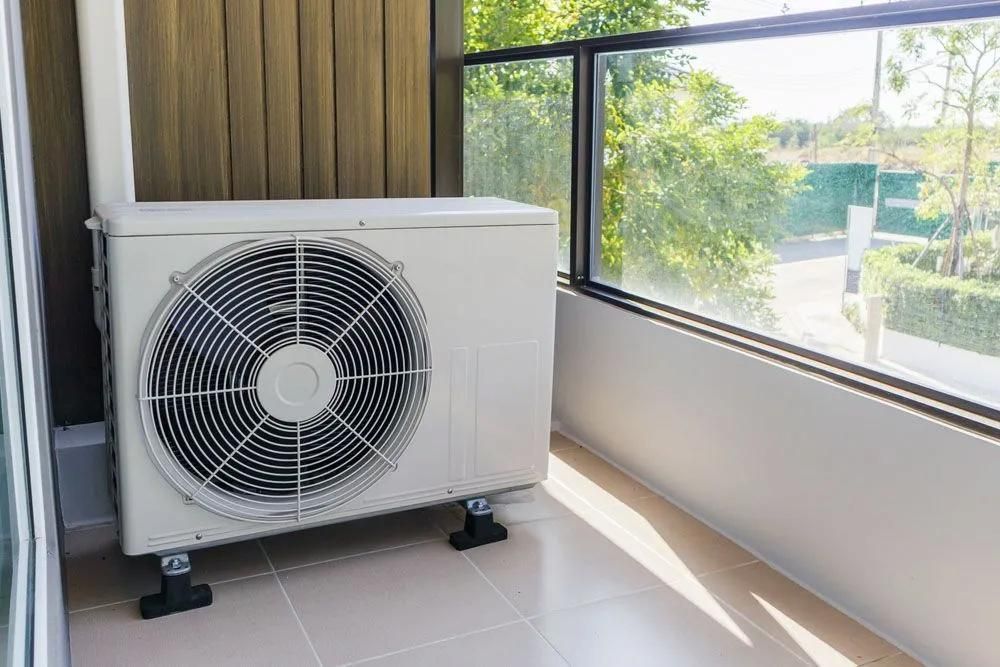
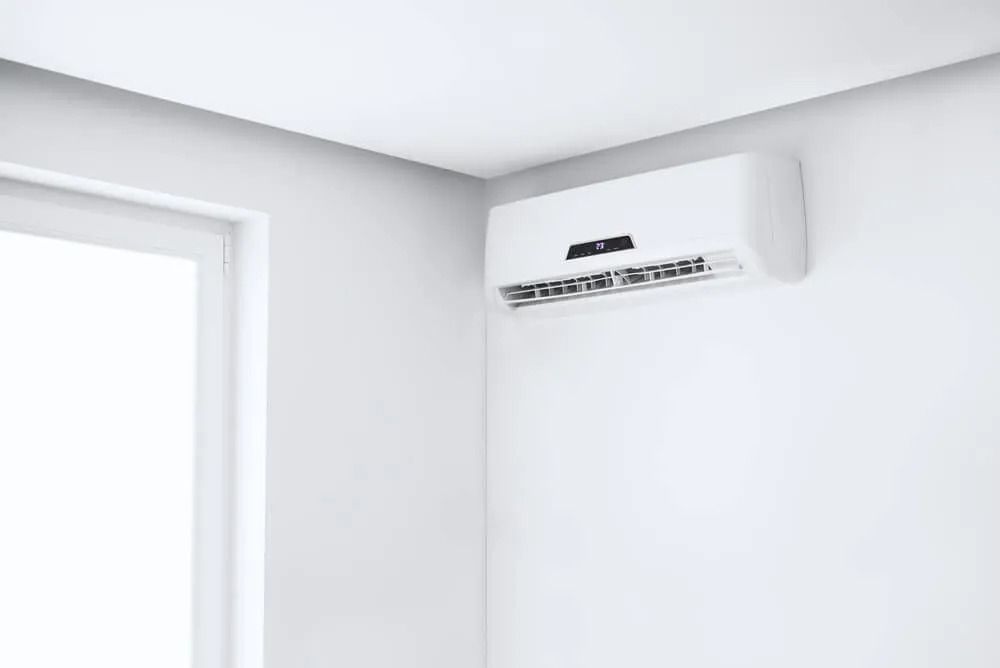
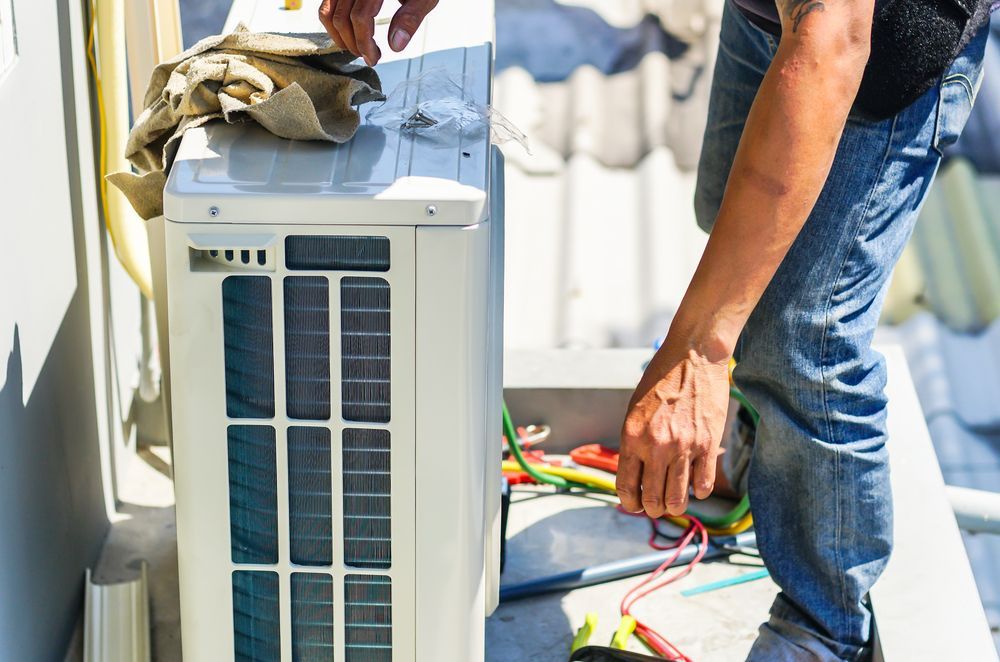
- Mechanical installation — positioning and securing indoor and outdoor units, running refrigerant piping and condensate drainage.
- Electrical work — running dedicated power supply and control wiring to each unit, carried out by qualified electricians as part of the overall installation.
- Ductwork installation (for ducted systems) — fitting and insulating ductwork through ceiling spaces to distribute conditioned air throughout the building.
Every stage below is handled in-house as part of our commercial air conditioning service, from the initial load calculation through to commissioning — meaning you're not coordinating separate mechanical, electrical and ductwork contractors yourself.
Step 5: Electrical and Compliance Requirements
Commercial air conditioning installations in Australia are subject to specific compliance requirements, including correct refrigerant handling by licensed technicians, electrical work carried out to Australian Standards, and depending on your building and equipment, potential requirements around energy efficiency reporting or building code compliance.
Working with a provider who has qualified electricians and licensed HVAC-R technicians on the same team, rather than juggling separate trades yourself, significantly reduces the risk of a compliance gap slowing down your project or causing issues down the track.
Step 6: Commissioning and Testing
Once installation is physically complete, the system needs to be properly commissioned before it's considered ready for use. This involves testing refrigerant charge and pressures, verifying airflow and temperature performance across all zones, checking controls and any automation features are functioning correctly, and confirming the system is operating at its designed capacity.
This step is where problems that would otherwise show up weeks later — uneven cooling, control faults, inefficient operation — get caught and corrected before handover, rather than becoming a callback.
Step 7: Handover and Ongoing Support
The final stage is handover: walking through system operation and controls with your team, providing documentation, and setting expectations around any recommended maintenance schedule going forward. A well-installed commercial system still benefits from regular servicing to maintain efficiency and catch minor issues early, rather than waiting for a breakdown.
What to Ask Before Work Begins
Before committing to a contractor for a commercial installation, it's worth asking:
- What's included in the load calculation and site assessment process?
- What are the realistic lead times for the specific system being proposed?
- Are electrical works and compliance handled in-house, or subcontracted separately?
- What does the commissioning and testing process actually cover?
- What ongoing maintenance or support is available after installation?
Clear answers to these questions upfront are a good indicator of how smoothly the rest of the project will run.
Get Expert Guidance for Your Dubbo Business
Williams Oriel Services has delivered air conditioning in Dubbo across retail, industrial, and hospitality premises for years, with an in-house team covering everything from load calculations and system design through to electrical work and commissioning. If you're planning a commercial installation and want a clear, realistic understanding of the process and timeline involved, get in touch with our team to talk through your project.
FAQs
How long does a commercial air conditioning installation typically take?
This varies depending on system type, building size and equipment lead times, but between equipment ordering and physical installation, most commercial projects run from several weeks to a few months overall. Getting an early, realistic timeline from your installer is important if you're working to a fixed deadline.
Why do commercial HVAC systems have long lead times?
Commercial equipment is often manufactured or configured to order rather than held in general stock, particularly for larger capacity systems or specific customisations, which is why equipment ordering needs to start well ahead of your planned installation date.
Do I need a licensed electrician for a commercial air conditioning installation?
Yes, electrical work for commercial HVAC systems must be carried out by a licensed electrician to meet Australian Standards. Working with a provider who has electricians on staff avoids the need to coordinate separate trades yourself.
What happens during system commissioning?
Commissioning involves testing refrigerant charge, verifying airflow and temperature performance, checking controls, and confirming the system operates at its designed capacity, ensuring any issues are caught and corrected before handover.
How do I know what size system my business actually needs?
This is determined through a proper site assessment and load calculation, which accounts for your building's size, insulation, occupancy and heat sources, rather than a rough estimate based on floor area alone.